Mi’gma’gi and Gespe’gewa’gi
Since Time Immemorial
The Mi’gmaq have been present in the territory for nearly 9,000 years, dating back to when the Gaspé Peninsula was freed from the Goldthwait Sea.
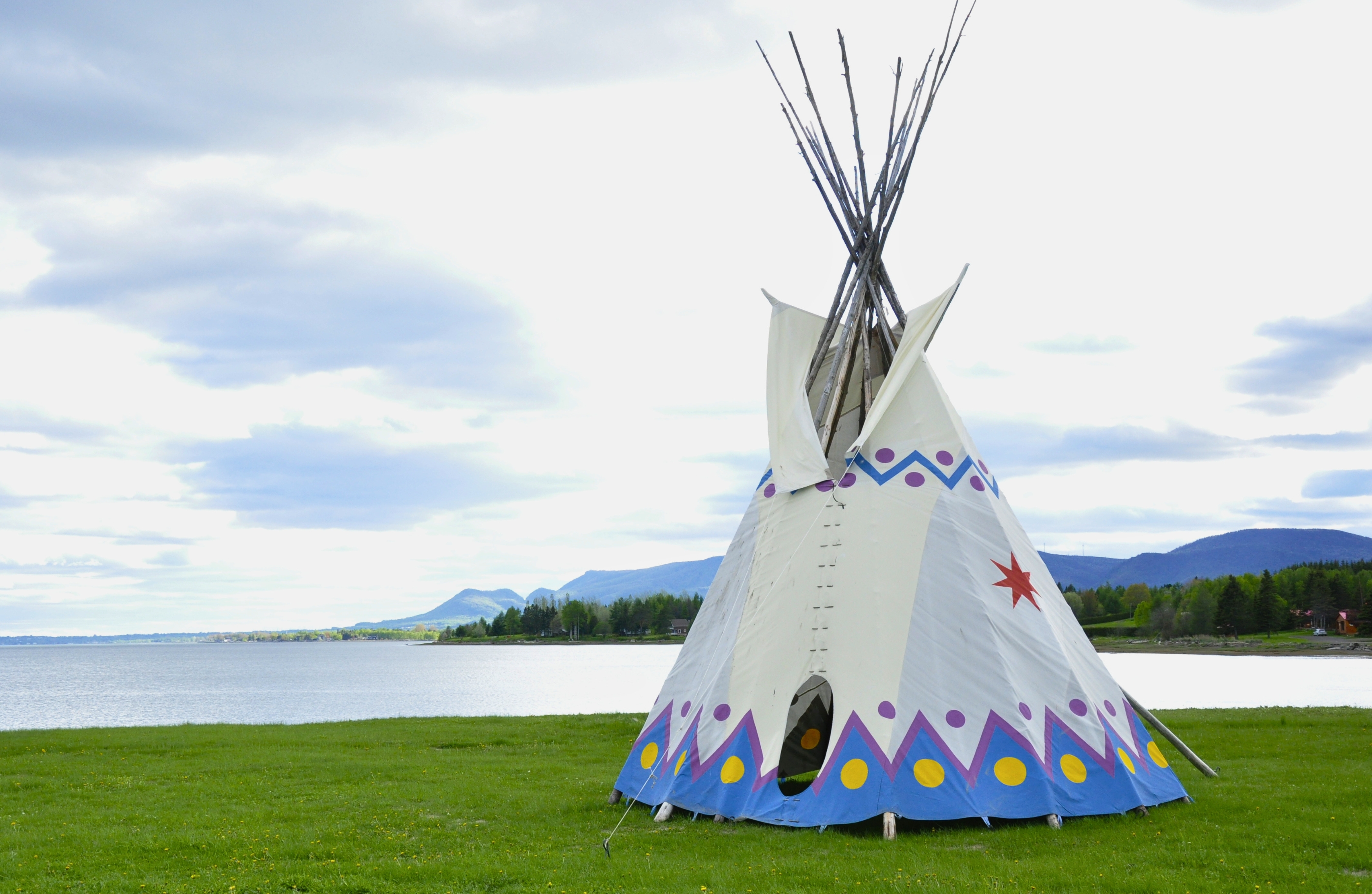
Gesgapegiag Mawiomi Grounds. Credit : MRC Avignon
The region may have served as a major artery for encounters between Indigenous nations. It was also frequented by the Innu, who traded furs here, as well as the Maliseet and the Kwedech (an Iroquoian people). The Mi’gmaq arose from the fusion of two groups: the Plano and the Eastern Algonquians.
The Mi’gmaq speak several languages and dialects, including Listuguj (Restigouche), a dialect unique to Quebec that was likely altered through close contact with the French and English languages. A Mi’gmaq-Basque pidgin—a trade language—was also recorded in Newfoundland, beautifully illustrating the commercial ties uniting these two nations.
The Mi’gmaq are skilled hunters who retreated inland when winter arrived to hunt beaver, bear, moose, and caribou, shifting from seasonal fishing to winter hunting. Beyond its function as a subsistence activity, this hunt also allowed them to trap furs, which were traded with Europeans for other goods.
The Mi’gmaq are also seasoned fishers. In the spring, they set up summer camps, notably at the mouths of the Restigouche and Cascapedia rivers. These regions would become major strongholds for settlement and trade. The Mi’gmaq also harvested maple sap, which was considered « both a medicine and a source of sugar. »
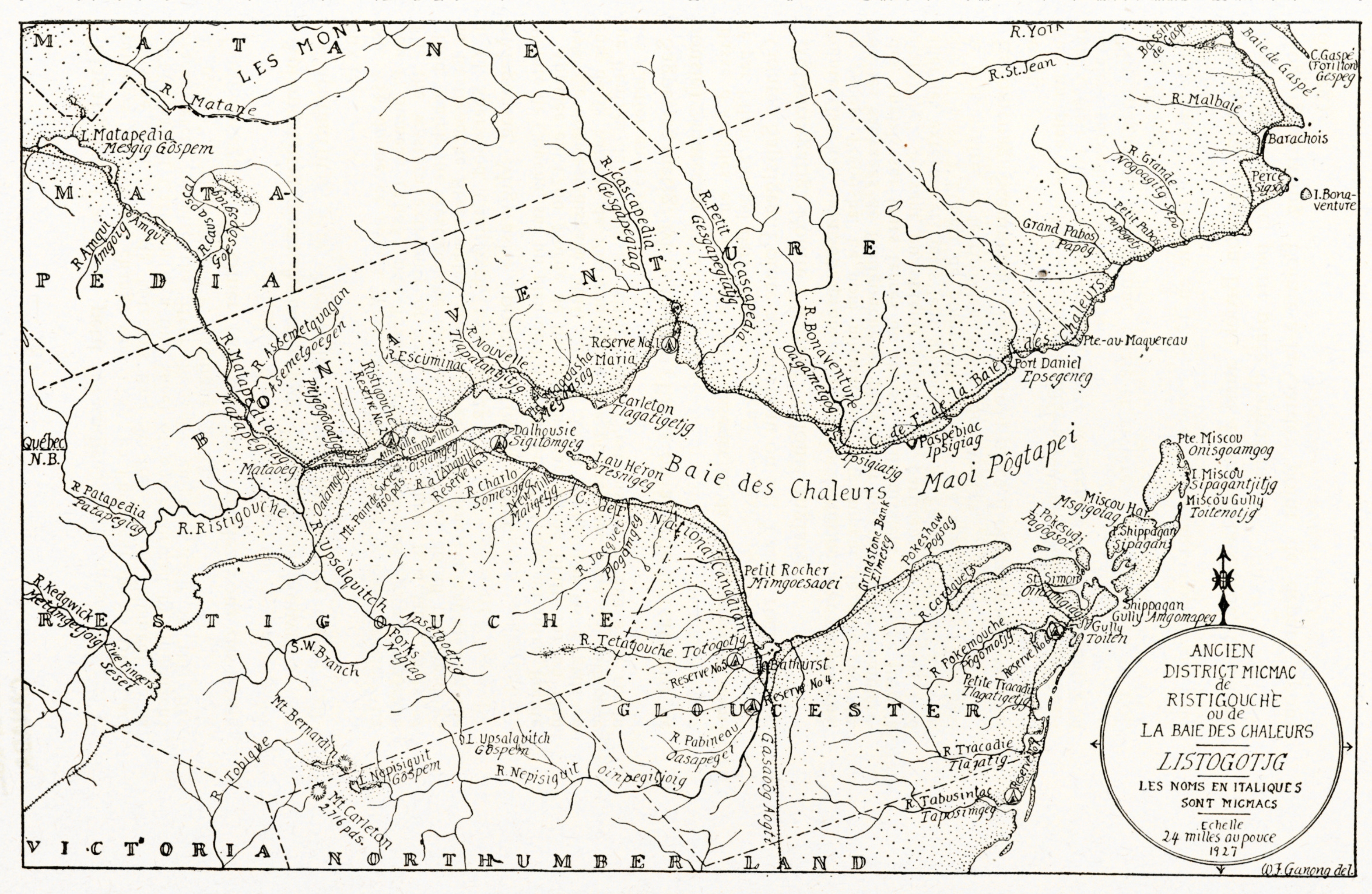
A map of Mi’gmaq toponyms from the southern Gaspé Peninsula surveyed by William Ganong in 1927. Source : Synthèse historique, p. 126. MRC Avignon
The 7 Mi’gmaq Districts
The Mi’gmaq territory spans a vast area covering Quebec, the Maritime provinces, and part of the American East Coast. The traditional territory of Mi’gma’gi is made up of 30 Mi’gmaq nations divided into 7 districts: Unama’gi, Esge’gewa’gi, Sugapune’gati, Epegwitg aq Pigtu, Gespugwitg, Signigtewa’gi, and Gespe’gewa’gi. Mi’gma’gi (or Mig’mawag) means « people of the dawn. » The seven Mi’gmaq districts govern themselves through the Mi’gmaq Grand Council (Sante’ Mawio’mi).
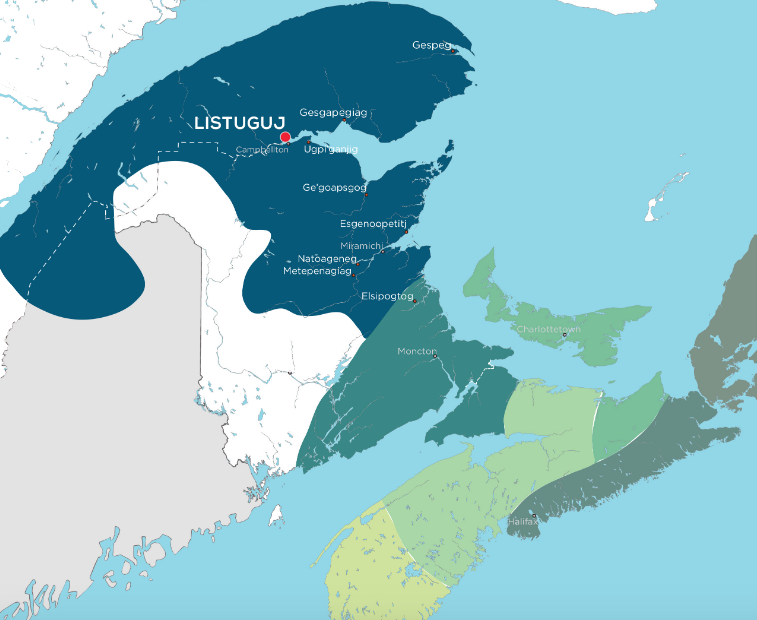
Map of the 7 districts of of Mi’gma’gi. Source : listuguj.ca
Gespe’gewa’gi
Gespe’gewa’gi is the seventh and largest district of Mi’gma’gi, meaning « the last lands acquired » or « the last land. » This territory encompasses what is known today as the Gaspé Peninsula, parts of mainland Quebec and Maine, as well as northeastern New Brunswick.
More than 800 Mi’gmaq place names have been discovered within Gespe’gewa’gi. There are three Mi’gmaq communities in the Gaspé Peninsula: Gespeg, Gesgapegiag, and Listuguj.
And more…
Follow on social media!
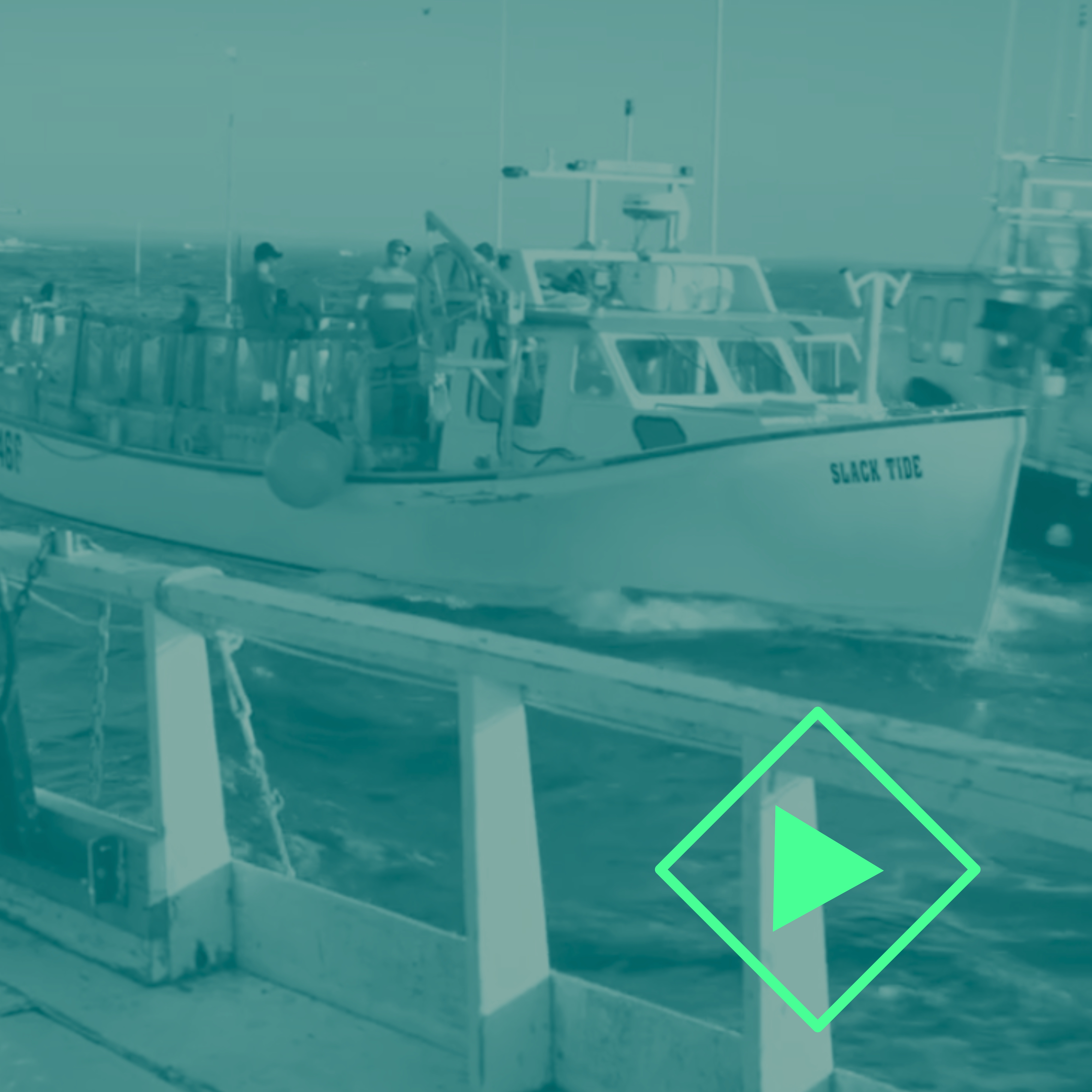
Gespe’gewagi: The Last Land
An APTN documentary television series exploring Mi’gmaq fisheries and their connection to the people, traditions, and ancestral homeland.
Podcast
Comme un besoin de nature | Episode 6: Wagatasg
Three cultural communities—Mi’gmaq, Anglophone, and Francophone—coexist within the region. Bernard, Bruce, and Maryse read the tale « Wagatasg, » a story that describes the Indigenous community’s deep connection to the land.
This article features excerpts from the MRC Avignon historical overview (p. 125-126), translated with the help of AI.